
This easy homemade stir fry sauce comes together in just 5 minutes with pantry staples, fresh garlic and ginger. It’s savory, slightly sweet and perfect for chicken, beef, shrimp, tofu or veggies. Use it right away or make it ahead for quick, takeout-inspired dinners all week long!
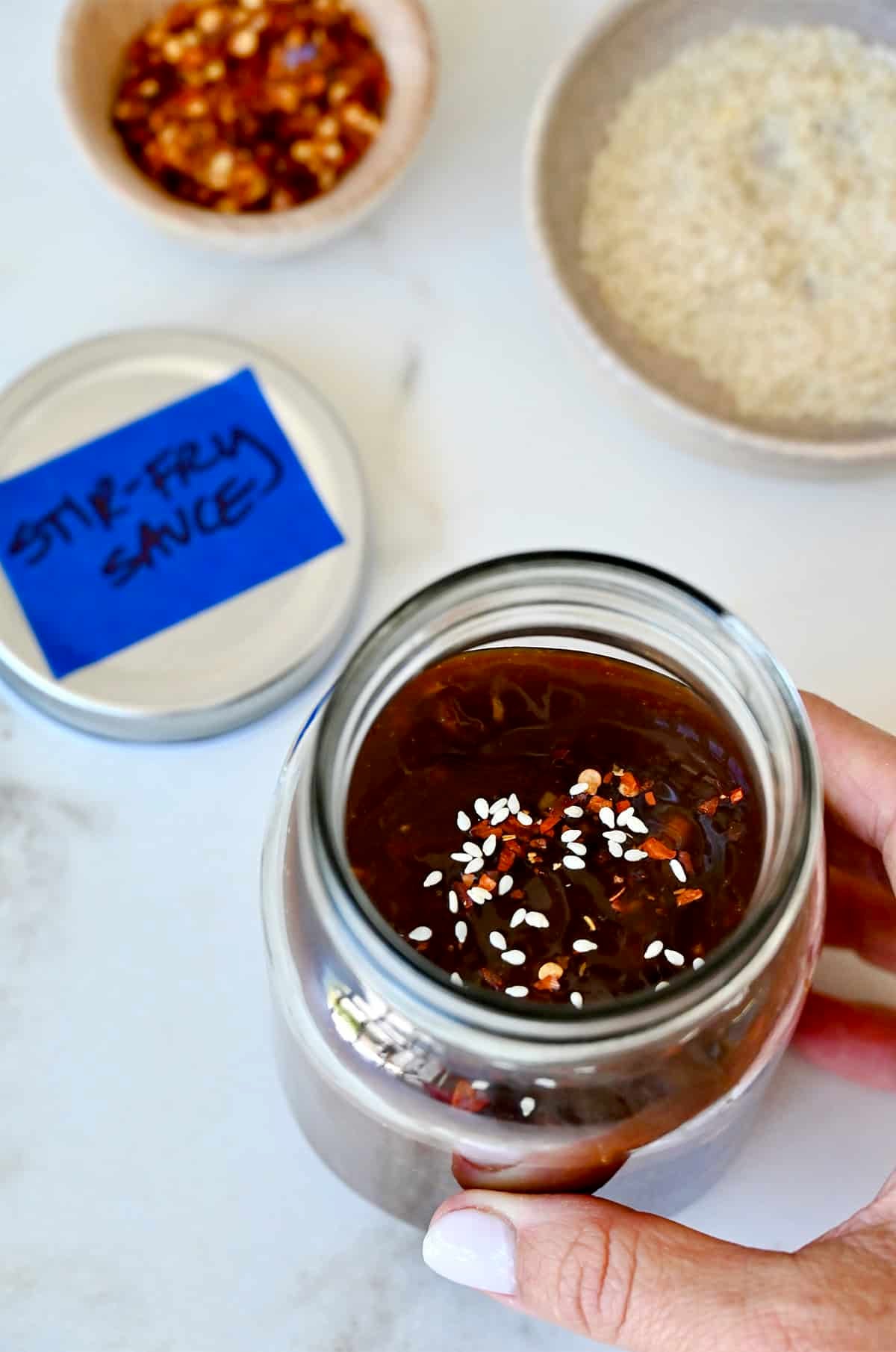
Table of Contents

Move over, bottled stir-fry sauce! There’s a new weeknight dinner MVP in town, and it takes just 5 minutes to make.
This homemade stir-fry sauce is made with pantry staples, fresh garlic and ginger, plus optional crushed red pepper flakes if you like a little heat. Best of all, it works with chicken, beef, shrimp, tofu and whatever vegetables you’ve got stashed in your fridge.
And if you know me, you know I’m all about takeout-inspired recipes! From my Easy Beef and Broccoli (my most popular recipe of all time!) to Teriyaki Chicken Stir-Fry, I’ve shared plenty of ways to skip the delivery app. So it was about time I added a good ol’ homemade stir-fry sauce to the lineup.
Whisk it together now, stash it in the fridge for later or pour it straight into your next stir-fry. Once it hits the heat, it transforms into a glossy sauce that coats every last bite.
My #1 Tip: Use Low-Sodium Soy Sauce
If there’s one ingredient I don’t recommend swapping in this recipe, it’s the low-sodium soy sauce.
Regular soy sauce is much saltier, and because it makes up most of the base for the sauce, that extra sodium adds up fast. Plus, starting with low-sodium soy sauce gives you more control over the finished dish, especially once you factor in the broth and any seasoning you’ve added to your protein and veggies.
You can always add more salt at the end, but you can’t take it away once it’s in there!
Beyond the low-sodium soy sauce, you’ll need just a handful of other ingredients to make this easy stir-fry sauce:
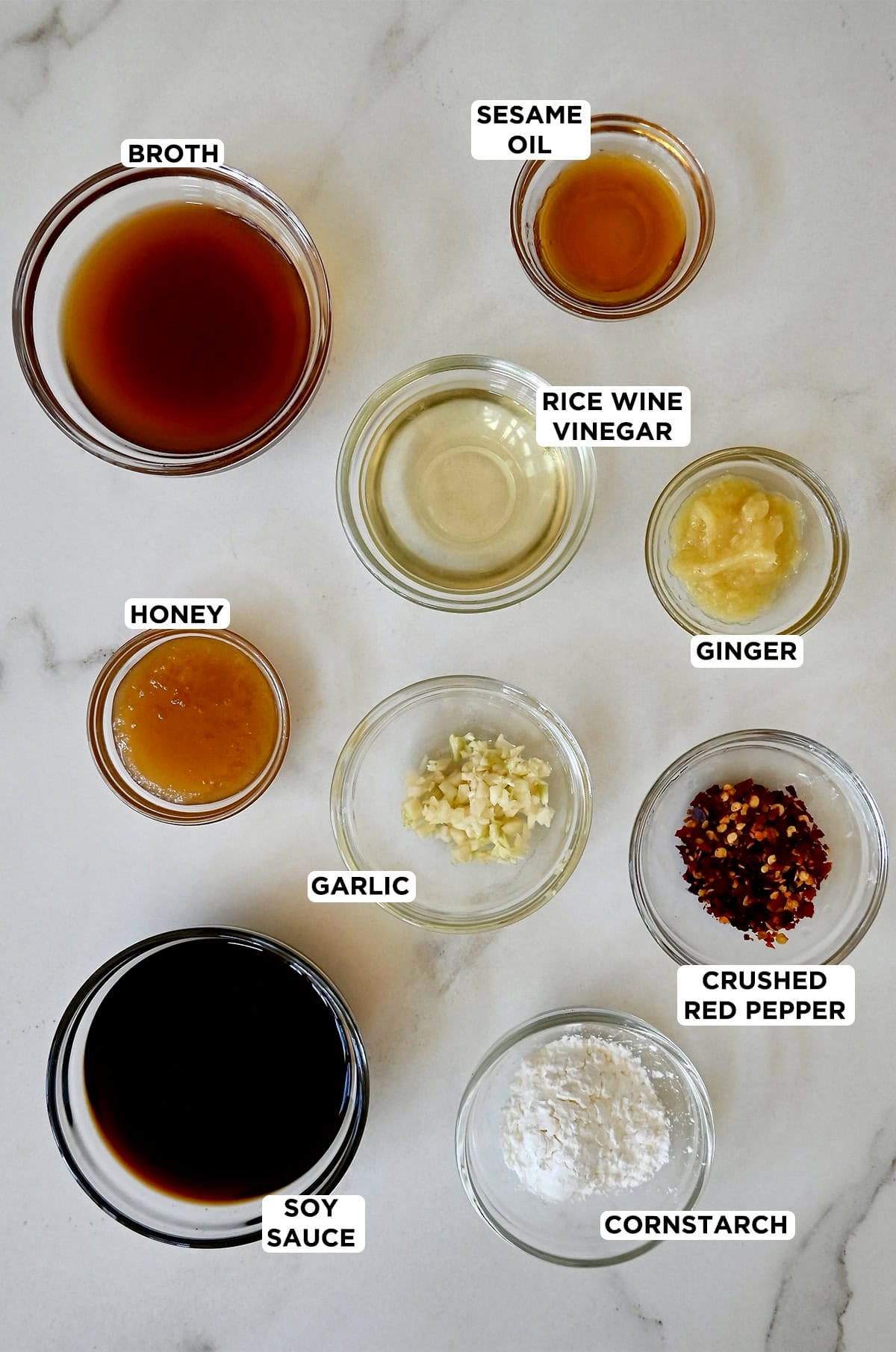
- Broth: Chicken, beef or vegetable broth all work! I like matching the broth to whatever protein I’m cooking, so I’ll use beef broth for steak stir-fry or vegetable broth for tofu and veggie stir-fries.
- Rice wine vinegar: Adds a little tang to balance the sweet and savory flavors. Look for unseasoned rice vinegar rather than seasoned, which contains added sugar and salt.
- Honey: Adds a little sweetness to balance out the salty, savory flavors. You can substitute maple syrup or brown sugar, although the flavor will change slightly.
- Sesame oil: Adds that signature nutty flavor.
- Garlic and ginger: Fresh is best here. I prefer grating both so they’re extra-fine and blend right into the sauce.
- Cornstarch: Thickens the sauce once it comes to a boil, so that it coats every bite instead of pooling at the bottom of the pan.
- Crushed red pepper flakes: Totally optional, but perfect if you like a little heat.
See the recipe card for full information on ingredients and quantities.
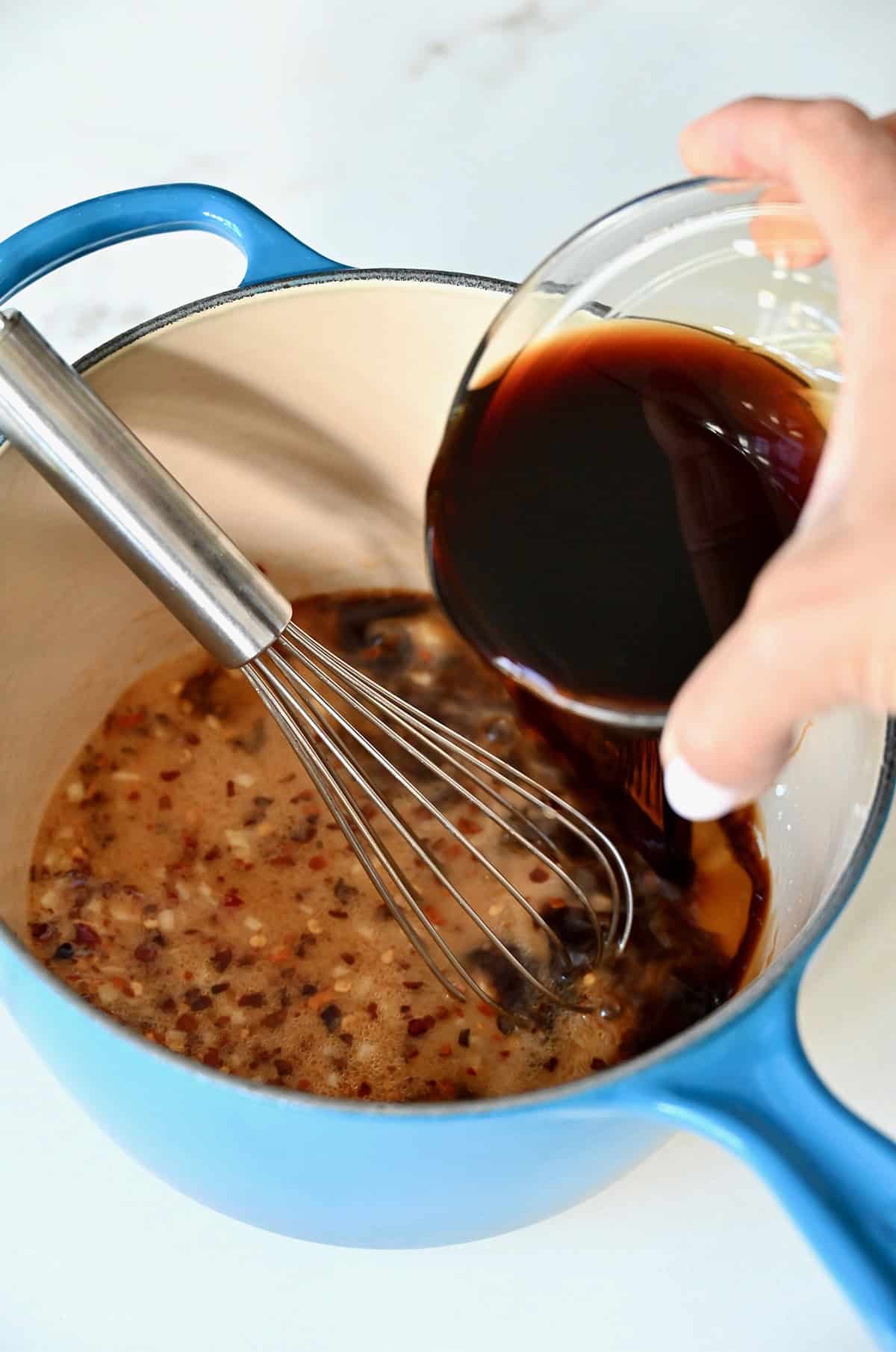
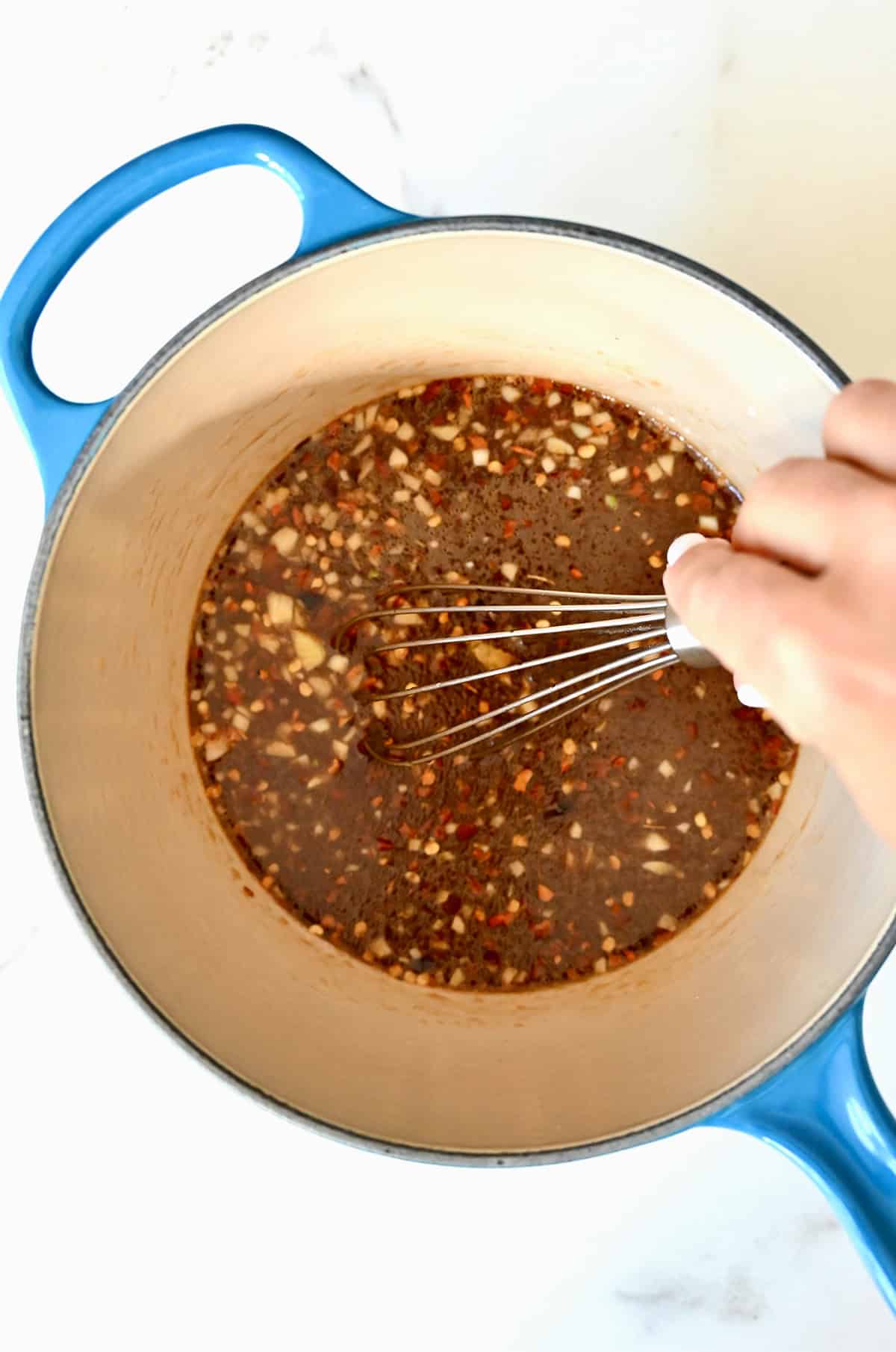
Making stir-fry sauce from scratch couldn’t be easier. There’s no cooking required to make the sauce itself. Just add everything to a bowl or jar, whisk until combined and you’re done. That’s it!
If I’m prepping this ahead, I skip the bowl altogether and add everything into a mason jar (a funnel comes in handy here). Give it a good shake, pop on the lid and stash it in the fridge. Because this sauce is made with fresh garlic and ginger, I recommend using it within 1 week.
Making stir-fry tonight? Whisk everything together and add the sauce to your skillet just as you would a store-bought version. One important tip: The sauce must come to a boil to thicken. The cornstarch needs that heat to work its magic, so don’t worry if the sauce looks thin at first. Bring it to a boil and cook, stirring, for 3 to 5 minutes until slightly thickened.
A quick note about the photos: I cooked the sauce on its own so you can see exactly how it thickens. When making a stir-fry, you can pour it straight into the skillet with your protein and veggies. No need to cook it separately!
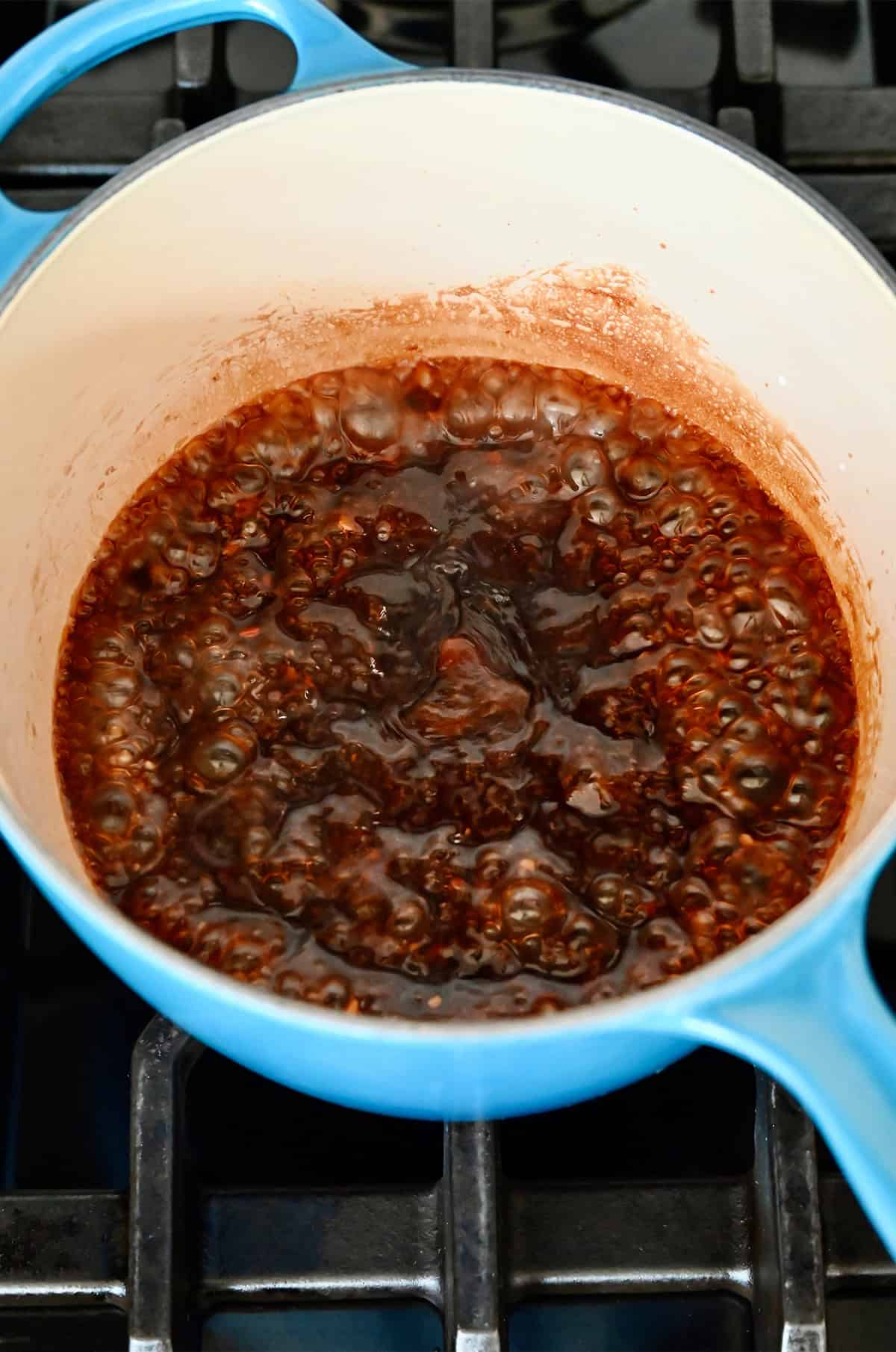
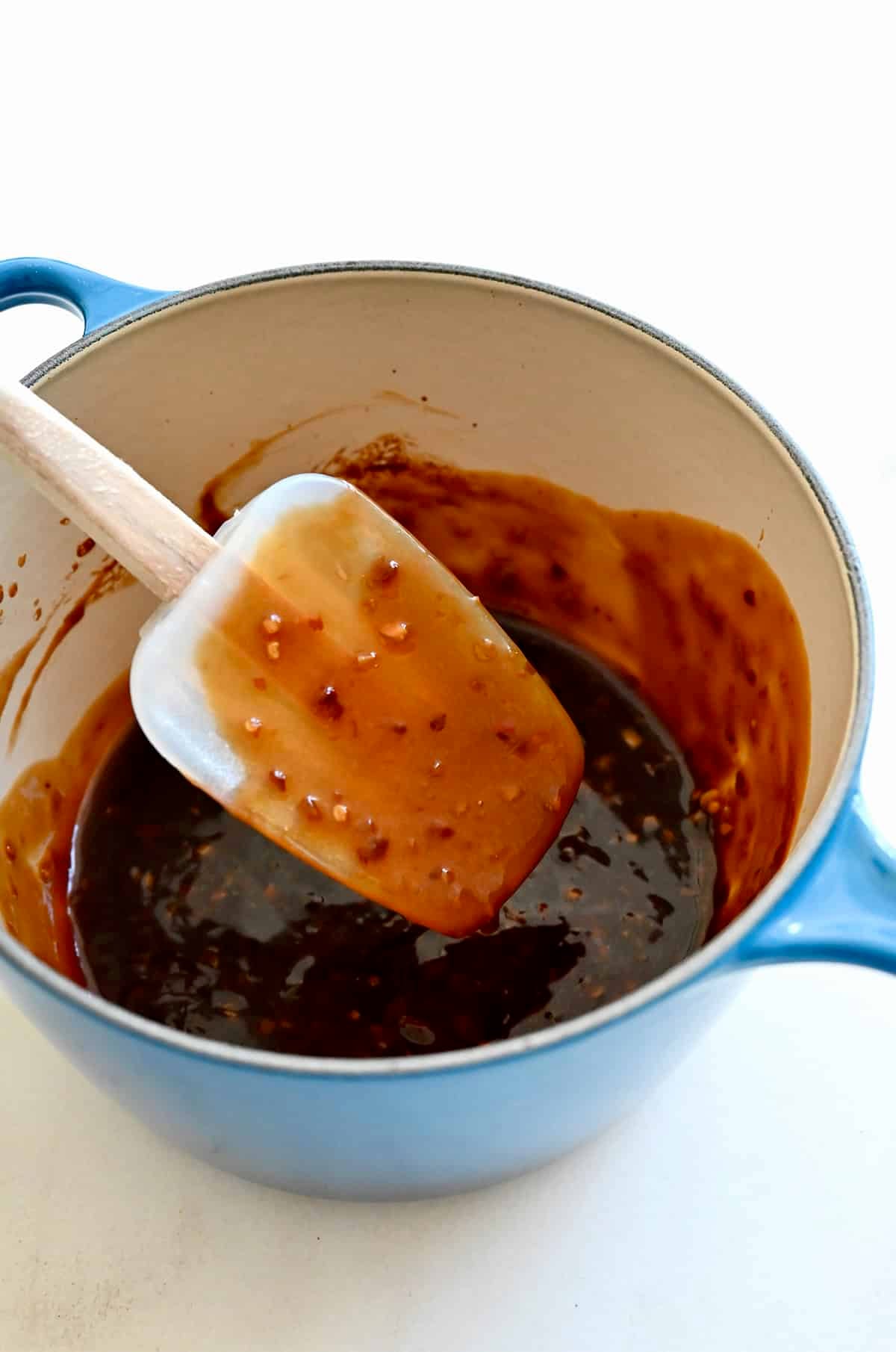
And whether you’re using it now or later, give the sauce one last whisk or shake before adding it to your skillet. Cornstarch tends to settle at the bottom as it sits.
This recipe makes 1¼ cups of stir-fry sauce, and you can easily double it if you’re cooking for a crowd or want extra for another dinner.
How to Make a Stir-Fry
Stir-frying really is the ultimate clean-out-the-fridge meal. Think of it less as following an exact recipe and more as shopping your fridge for whatever protein and veggies you have on hand.
For a stir-fry that feeds a family of four, here’s my starting point:
- Protein: About 1 pound of chicken, beef, shrimp or tofu.
- Vegetables: About 4 cups of chopped veggies. Broccoli, bell peppers, carrots, snap peas, mushrooms and bok choy are all great options.
- Sauce: Start with ¾ cup of this homemade stir-fry sauce (about 3 tablespoons per person). If you’re tossing noodles directly into the skillet, you’ll likely want more since they soak up the sauce.
Here’s how I build mine:
- Cook the protein. Heat a little oil in a large skillet or wok over medium-high heat. Add your protein and cook until browned and cooked through as appropriate, working in batches if needed. Transfer it to a plate.
- Stir-fry the veggies. Add your vegetables to the same pan, starting with the ones that take longer to cook, like carrots and broccoli. Save quick-cooking veggies like snap peas and bok choy leaves for the end. Keep everything moving so the vegetables cook evenly without getting mushy.
- Bring it all together. Return the protein to the pan, give your sauce one last whisk, then pour it in. Bring it to a boil and cook, stirring, for 3 to 5 minutes, until the sauce thickens and coats everything.

My biggest stir-fry tip? Don’t crowd the pan! If you pile too much into the skillet at once, your ingredients will steam rather than sear. Give them some breathing room, and don’t be afraid to cook in batches.
Serve it over steamed white rice or toss it with noodles, and dinner is done! And if you’re looking for more inspiration, check out my Beef Stir-Fry, Chicken and Broccoli Stir-Fry or Zucchini Noodle Stir-Fry with Shrimp.
FAQs
Chances are it hasn’t gotten hot enough yet! Cornstarch needs to come to a boil to activate its thickening power. Give the sauce a good stir, bring it to a boil and let it cook for 3 to 5 minutes. Keep in mind that juicy vegetables can release extra liquid, so the sauce may need a little more time to thicken.
Easy fix! Whisk in a splash of broth or water until it reaches your desired consistency. This is especially helpful if you’re reheating sauce that’s already been cooked and refrigerated.
Absolutely! Swap the soy sauce for a certified gluten-free tamari and double-check that your broth and other packaged ingredients are gluten-free. The remaining ingredients are naturally gluten-free, but always check labels if you’re cooking for someone with an allergy or intolerance.
Ingredients
- 1/2 cup low-sodium soy sauce
- 1/2 cup chicken, beef or vegetable broth
- 2 Tablespoons rice wine vinegar
- 2 Tablespoons honey
- 1 teaspoon sesame oil
- 2 teaspoons minced garlic
- 2 teaspoons minced fresh ginger
- 1 Tablespoon cornstarch
- 1 teaspoon crushed red pepper flakes (optional)
Instructions
- In a medium bowl or jar, whisk together the soy sauce, broth, rice wine vinegar, honey, sesame oil, garlic, ginger, cornstarch and red pepper flakes (optional).
- Use immediately or refrigerate in an airtight container until ready to use.
To Use the Sauce
- Give the sauce another whisk or shake, then add it to your stir-fry during the final few minutes of cooking. Bring it to a boil and cook, stirring, until slightly thickened, 3 to 5 minutes.
Kelly’s Notes
- Use low-sodium soy sauce! Regular soy sauce makes the sauce far too salty, especially once you factor in any additional seasoning on your protein and veggies.
- Match the broth to your protein. I like using beef broth for steak stir-fry, chicken broth for chicken stir-fry and vegetable broth for tofu or veggie stir-fries.
- Finely mince or grate the garlic and ginger. I prefer both to be very fine, so I like to grate them.
- Don’t skip the boil! The sauce will look thin at first, but the cornstarch needs to come to a boil to thicken. Once added to your stir-fry, bring the sauce to a boil and cook, stirring, for 3 to 5 minutes.
- Adjust the consistency: If the cooked sauce gets too thick, especially after refrigerating, warm it gently over low heat and whisk in a splash of broth or water until it reaches your desired consistency.
- Make-ahead tip: Store the uncooked sauce in an airtight container in the refrigerator for up to 1 week. Shake or whisk well before using, as the cornstarch will settle to the bottom.
- ★ Did you make this recipe? Don’t forget to give it a star rating below!
Nutrition
Did you try this recipe?
Leave a comment below with your star rating!
This post may contain affiliate links.